Contact@prince2training.co.uk
 01344203999




 Back
Back


Table of Content
Let’s assume that there is a product launch, wherein tasks are flying, and deadlines are looming. One person tracks progress and keeps the team in sync. The other makes the tough calls and steers the strategy. That’s the split between Project Coordinator and Project Manager. But where do their roles truly differ? And which one leads the charge?
Situations like this play out in almost every project, yet the roles behind them are often misunderstood. To clear that confusion, this blog breaks down how the Project Coordinator vs Project Manager roles differ, who leads at each stage, and why those distinctions matter in real-world delivery. Let’s get started.
What is a Project Coordinator?
A Project Coordinator is responsible for keeping a project organised and running smoothly. They support the Project Manager with administrative tasks and communication. They handle technical tasks to plan, manage, and complete the project while ensuring deadlines are met. They also work closely with clients to update everyone on project goals and expectations.
A Project Coordinator also assists in tracking project progress, identifying potential issues, and implementing solutions to keep everything on track. They organise meetings, prepare reports, and maintain project documentation to ensure transparency.

Skills of Project Coordinators
Here are some skills that great Project Coo Project Coordinators rdinators should have:
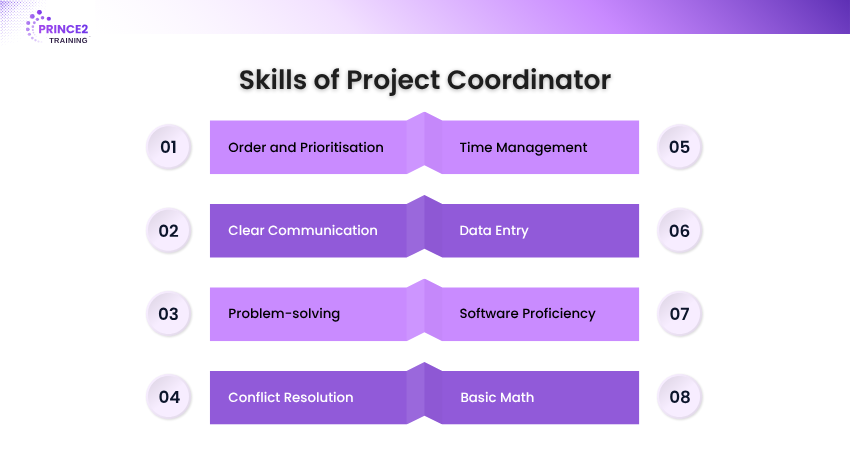
Here are some skills that great Project Coordinators should have:
a) Organisation Skills: A Project Coordinator must prioritise tasks and be able to keep all the project elements in order.
b) Clear Communication: To prevent any misunderstandings, they must convey the right information through phone, email, or face-to-face interactions.
c) Problem-solving: To keep the project on track, they must identify challenges early on and develop practical solutions.
d) Conflict Resolution: They must manage disputes calmly and find compromises to create a positive working environment.
e) Time Management: A Project Coordinator must schedule tasks and deadlines as effectively as required to make sure projects are completed on time.
f) Data Entry: The Project Coordinator must be skilled at data recording to maintain project documentation and progress tracking.
g) Software Proficiency: They must be familiar with tools like Word, Excel, PowerPoint, Access, and Skype is useful.
h) Basic Math: They must have basic calculation and budgeting skills to track project costs and resource allocation.
What is a Project Manager?
A Project Manager is responsible for making sure a project is completed successfully. They keep the team on track with the project scope, schedule, and budget from start to completion. They organise the team, set timelines, communicate with everyone involved, and monitor progress to make sure goals are met.
They also ensure the project meets the expectations of key stakeholders like CEOs and accountants. If the project goes off course, the Project Manager steps in to get it back on track and ensure client requirements are fulfilled.
Skills of Project Managers
While Project Managers need skills similar to those of Project Coordinators', they must also have more responsibilities. Here are the essential skills you’ll need to fit the Project Manager Job Description: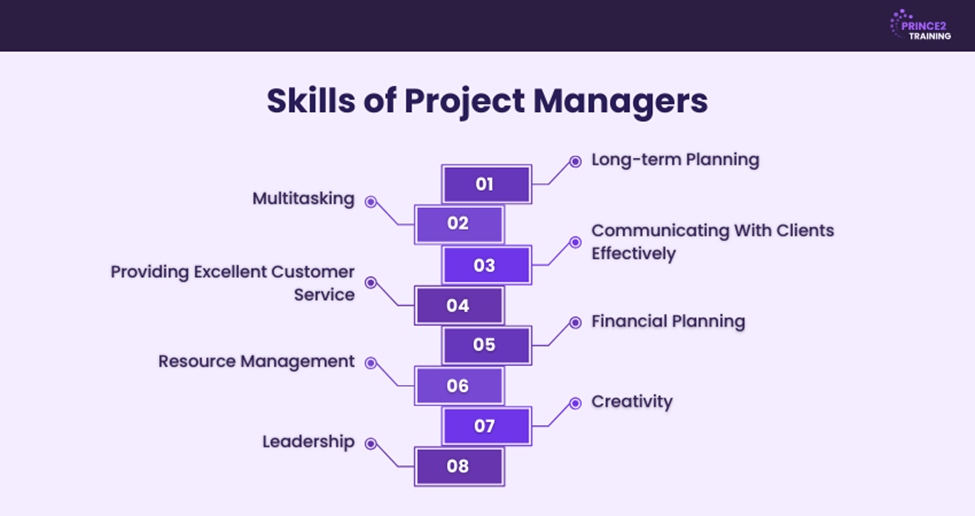
a) Long-term Planning: They must set clear goals and strategies to guide the project from start to finish while anticipating potential challenges.
b) Multitasking: A Project Manager must be able to juggle multiple tasks and responsibilities without losing focus.
c) Communicating with Clients Effectively: They must clearly convey updates, concerns, and progress to keep clients informed and satisfied.
d) Providing Excellent Customer Service: To build strong, trusting relationships, a Project Manager must promptly address client needs and concerns.
e) Financial Planning: They must be adept at creating budgets, track expenses and ensure the project stays within financial limits.
f) Resource Management: Allocating resources efficiently to meet project objectives without overextending the team.
g) Creativity: Finding innovative solutions to unexpected problems is of utmost importance for a Project Manager.
h) Leadership: Inspiring and guiding the team to work cohesively and stay motivated throughout the project.
i) Stress Management: Staying calm under pressure and maintaining focus despite unexpected challenges.
Learn how to blend Agile flexibility in your projects with PRINCE2 Agile® Foundation Training – Sign up soon!
Project Manager vs Project Coordinator: Key Differences
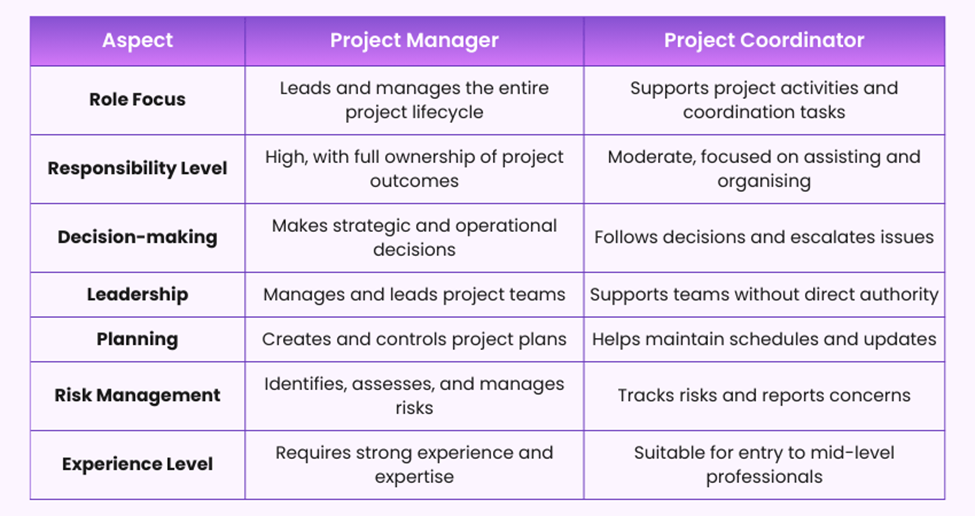
Understanding Project Coordinator vs Project Manager helps organisations assign responsibilities more effectively. While both roles support project delivery, they differ in authority, accountability and level of involvement.
Here are the key differences between a Project Manager and a Project Coordinator:
1) Scope of Responsibility of Project Manager vs Project Coordinator
A Project Manager is responsible for the overall success of the project, including planning, execution, monitoring, and closure. They oversee the full project scope and ensure objectives are met.
On the other hand, a Project Coordinator supports specific project activities, focusing on organisation, documentation, s33cheduling, and coordination rather than full ownership.
2) Decision-making Power of Project Manager vs Project Coordinator
Project Managers have the authority to make key decisions related to scope changes, resource allocation, budgets, and Risk Management.
However, Project Coordinators usually do not make strategic decisions but support project implementation by sharing updates, following instructions, and escalating issues to the manager when required.
3) Leadership and Management of Project Manager vs Project Coordinator
A Project Manager leads the project team, motivates members, resolves conflicts, and manages stakeholder expectations. They act as the main point of leadership.
In contrast, a Project Coordinator does not manage teams directly but assists by ensuring smooth communication, organising meetings, and keeping everyone aligned with plans.
4) Experience and Expertise Level of Project Manager vs Project Coordinator
Project Managers typically have more experience, industry knowledge, and formal training in Project Management methodologies. They often have strong knowledge of how to handle complex projects.
On the other side, Project Coordinators are usually earlier in their careers and focus on developing practical project skills through hands-on support roles.
5) Accountability and Ownership of Project Manager vs Project Coordinator
The Project Manager is fully accountable for project outcomes, including success or failure. They own risks, results, and delivery commitments of every project.
On the contrary, a Project Coordinator supports accountability by tracking tasks and progress but is not ultimately responsible for project results.
Build the blueprint for project success the right way! Sign up for our Introduction to Project Management Course now!
How to Move from Project Coordinator to Project Manager?
Moving from a Project Coordinator to a Project Manager takes time, learning, and experience. By building new skills, taking on more responsibility, and gaining hands-on project experience, Project Coordinators can prepare for leadership roles. Below are practical steps to support this transition:
1) Improve Your Soft Skills
Strong communication, leadership, problem-solving, and time management skills are essential for Project Managers. As a Project Coordinator, focus on leading meetings, resolving minor conflicts, and presenting updates confidently. These skills help demonstrate your readiness to manage teams and stakeholders.
2) Request Additional Responsibilities
You can also try asking your manager for opportunities to handle more complex tasks, such as risk tracking, stakeholder communication, or small project ownership. Taking initiative shows commitment and helps you gain practical experience in areas managed by Project Managers.
3) Obtain Project Management Certifications
Certifications such as PRINCE2 and PMP build credibility and strengthen your understanding of Project Management frameworks. They also improve your chances of being considered for managerial roles by showcasing formal knowledge and professional commitment.
4) Explore Internal Opportunities
Look for promotion paths or junior Project Manager roles within your organisation. Internal moves are often easier because your performance, skills, and work ethics are already known, making it simpler to transition into a higher responsibility role.
5) Apply for Jobs at Other Companies
If internal job growth is limited, applying externally to other organisations can open new opportunities. While doing so, you can highlight your coordination experience, leadership contributions, and certifications to show that you are prepared to enter into a Project Manager role in a new organisation.
Conclusion
The line between a Project Coordinator vs Project Manager might seem thin, but their impact is anything but small. One keeps the engine running; the other maps the route. Whichever role you step into, you are playing a key part in making projects happen, and that’s where real progress begins. Together, these roles bring structure, direction, and momentum to every successful project.
Move confidently from coordination to leadership with PRINCE2 Foundation & Practitioner Training – Join now!



 Continue Browsing